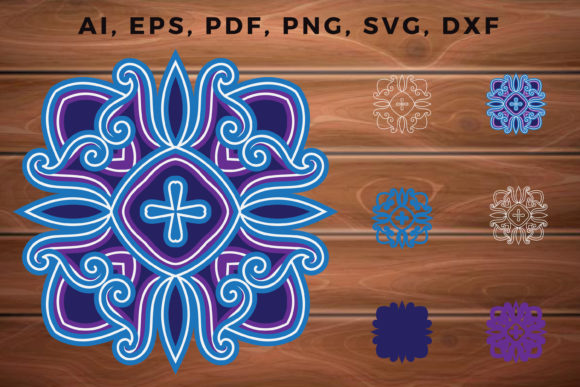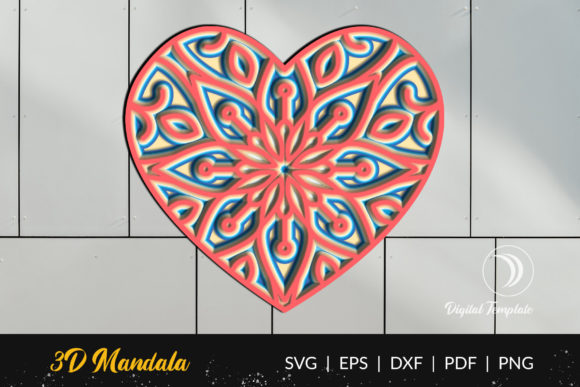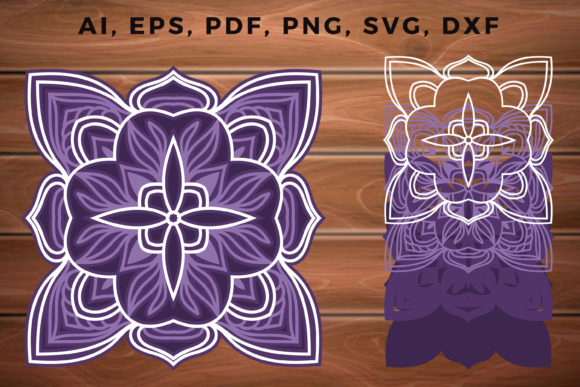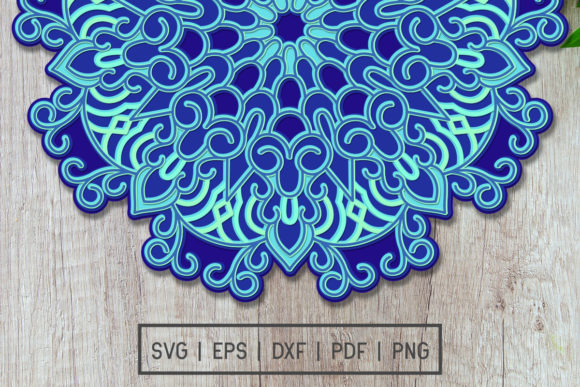
3D Mandala SVG for Shadow Boxes & 3D SVG
As a graphic designer who frequently bridges the gap between digital branding and physical product creation, I am always cautious when selecting assets for client projects. Recently, while developing a visual identity for a boutique wellness brand launching a line of artisanal home decor, I evaluated the 3D Mandala SVG Cut File. My goal was to determine if this asset could elevate their packaging and in-store displays without compromising the clean, modern aesthetic they strive for. The first impression is crucial; this file immediately presents a sense of intricate balance and spiritual calm. The geometric precision combined with organic floral motifs creates a mood that is both meditative and luxurious, making it an ideal candidate for brands targeting the handmade business sector or those looking to add a touch of bohemian elegance to their product lines.
Evaluating Visual Impact for Brand Identity
In the context of brand identity, the mandala serves as more than just decoration; it acts as a focal point that draws the eye. For this specific client project, we needed a graphic design asset that could translate well from a digital logo concept to a physical Shadow Boxes display. The layered nature of the 3D SVG format is particularly compelling here. Unlike flat raster images, the vector paths allow for precise manipulation, ensuring that the design remains crisp whether it is scaled down for a business card or enlarged for a storefront window decal. The complexity of the pattern suggests high value, which can significantly enhance the perceived quality of a product, a key factor in small business branding.
When considering marketing visuals, this asset shines in creating thematic collections. Imagine a seasonal campaign where the mandala is used as a watermark on social media graphics or as a background texture for Pinterest pins. The symmetry provides a natural frame for text, helping to organize visual hierarchy effectively. However, one must be careful not to let the intricacy overpower the message. In my review, I found that the design works best when used as a supporting element rather than the sole carrier of information, ensuring that readability is never sacrificed for aesthetics.
Practical Applications in Physical and Digital Products
The versatility of this file extends far beyond simple decoration. For clients involved in print-on-demand or those selling Etsy products, the potential applications are vast. I tested the concept for a series of t-shirt designs intended for a yoga studio merchandise line. The clean lines of the SVG ensured that the heat transfer vinyl would cut precisely, avoiding the common issue of weeding difficulties associated with overly complex clipart. Furthermore, for packaging design, this asset can be embossed or foil-stamped onto boxes, adding a tactile dimension that reinforces the brand's commitment to quality.
Digital sellers will also find value in the included formats. The package typically provides a comprehensive design bundle containing SVG, DXF, EPS, PNG, and PDF files. This variety is essential for a professional workflow. For instance, the PNG with transparency is ready for immediate use in Canva templates or web design, while the EPS and SVG files offer full editability for custom adjustments in Illustrator or CorelDRAW. This flexibility allows designers to adapt the illustration to fit specific color palettes or layout constraints, ensuring brand consistency across all touchpoints.
Ideal Use Cases and Strategic Placement
To maximize the effectiveness of the 3D Mandala SVG Cut File, it is best deployed in areas where detail can be appreciated. Large layout areas, such as hero graphics on a website or the front panel of a product box, allow the viewer to trace the lines and appreciate the craftsmanship. It is also excellent for decorative accents on invitations or greeting cards, where the 3D SVG layering technique can be physically replicated using cardstock to create actual depth. For Cricut projects and sticker designs, the file performs exceptionally well, provided the material used has enough contrast to make the fine lines visible.
However, there are scenarios where caution is advised. In minimalist branding or corporate materials that require a very clean visual hierarchy, this level of detail might feel overwhelming. Using it in small sizes, such as a favicon or a tiny icon on a mobile app, could result in a loss of definition, turning the intricate pattern into a muddy blob. Similarly, placing it over complex backgrounds or low-contrast designs can destroy legibility. It is vital to ensure there is ample negative space around the mandala to let it breathe and maintain its professionalism.
Technical Review and Designer Notes
Before integrating any digital product into a commercial project, rigorous testing is non-negotiable. My primary recommendation is to test the design in black and white first. This strips away the distraction of color and reveals the true strength of the line work and structural integrity. If the design holds up in monochrome, it will likely succeed in color. Additionally, always check the contrast on both light and dark backgrounds. While the included PNGs usually offer transparency, verifying the edge quality is essential to avoid unwanted halos in your final product mockup.
Inspecting the file formats is another critical step. Ensure that the SVG paths are closed and grouped logically, which facilitates easier editing if you need to isolate specific layers for a sublimation design or a multi-layered paper craft. Compare how the mandala interacts with your chosen typography. It often pairs beautifully with serif fonts for a classic look or handwritten fonts for a personal touch, but clashing styles can undermine the overall creative design. Finally, always confirm the commercial license terms. Since this asset is intended for real client work, understanding the limitations regarding resale and distribution is paramount to protecting both your reputation and your client's business.
In conclusion, the 3D Mandala SVG Cut File is a robust tool for designers looking to inject depth and meaning into their projects. Whether utilized for editorial design, web design, or physical Shadow Boxes, its ability to convey tranquility and sophistication makes it a valuable addition to any creative marketplace inventory. By approaching its usage with strategic intent and technical diligence, designers can leverage this asset to create polished, engaging, and commercially viable results that resonate with audiences.