Review: 3D MultiLayer Mandala Cut File for Real Projects
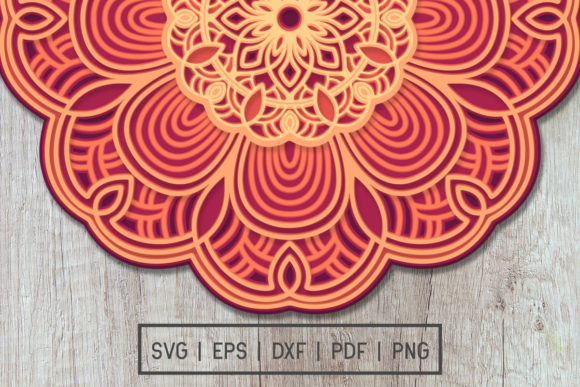
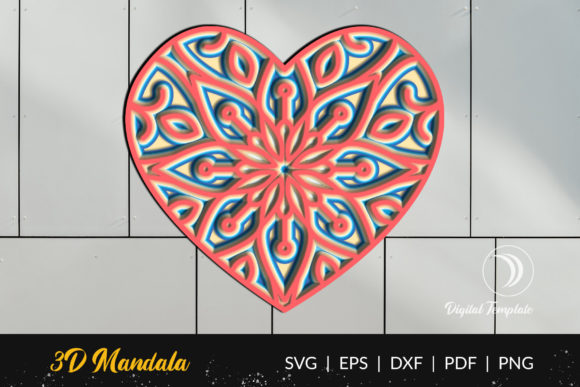
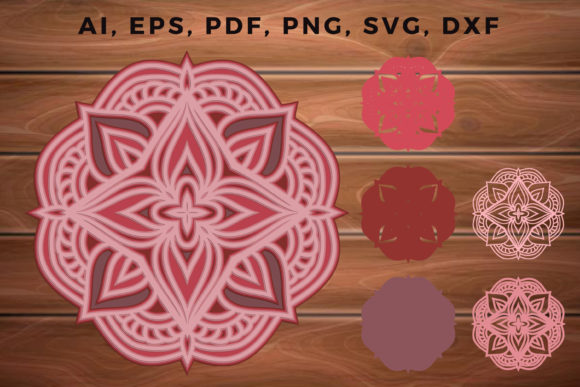
As a designer who spends more time at the hoop than away from it, I am always skeptical of files that promise "3D" effects without delivering on the technical execution. When I first pulled up the 3D MultiLayer Mandala Cut File SVG File, my immediate reaction was one of cautious optimism. The mandala niche is incredibly saturated, yet it remains a powerhouse for growing sales if executed with precision. This specific file stands out because it isn't just a flat graphic; it is engineered with layering in mind, suggesting a depth that translates beautifully into physical textiles.
The visual personality of this design is intricate yet balanced. It avoids the common pitfall of over-complicating the center, which often leads to thread breaks or bird's nests during stitching. Instead, the layout flows outward with a rhythmic symmetry that feels organic. For those of us creating handmade products, the mood this design evokes is one of calm sophistication. It fits naturally into projects where the customer is looking for something spiritual, bohemian, or simply elegant. Whether you are an Etsy seller looking to expand your catalog or a hobbyist making gifts, the aesthetic appeal here is undeniable.
Putting the Design to the Test: A Real-World Scenario
To truly evaluate an embroidery file, you have to move beyond the screen and imagine the finished product. I recently envisioned using this design for a custom boutique order: a set of heavy-weight cotton tote bags intended for a local yoga studio. The goal was to create a tote bag design that felt premium and durable.
In this scenario, the multi-layer aspect of the 3D MultiLayer Mandala Cut File SVG File shines. By breaking the design into distinct layers, I could utilize different thread colors to create genuine depth, rather than relying solely on digitized shading. Imagine a deep indigo base layer, a teal middle section, and a gold accent on the outer rings. On a natural canvas fabric, this creates a stunning contrast that catches the light differently depending on the angle. For a small shop product, this level of detail elevates the perceived value immediately. A customer isn't just buying a bag; they are buying a piece of art.
This approach also works exceptionally well for sweatshirt embroidery. On a fleece background, the raised texture of the layered mandala adds a tactile element that flat prints cannot achieve. However, one must be mindful of the stitch density. While the design looks airy, stacking multiple layers on thick fabric requires careful tension management to prevent puckering. My advice? Always test on scrap fabric first. Check how the stabilizer interacts with the garment weight. For a sweatshirt, a cut-away stabilizer is non-negotiable to support the weight of the design over time.
Navigating Fabric Challenges and Hoop Limitations
While the design is versatile, it is not without its constraints. As a professional, I need to point out where caution is required. If you are planning to use this on stretchy fabric like jersey knits for baby embroidery projects, proceed with care. The intricate details of a mandala can distort easily if the fabric stretches during the wash cycle. In these cases, using a high-quality tear-away or mesh stabilizer is critical to maintain the integrity of the finished product.
Another consideration is the hoop size. Mandalas are circular by nature, and this specific file likely demands a generous hoop to accommodate the outer rings without trimming. If you are working with a standard 4x4 hoop, you may need to scale the design down, which risks losing the clarity of the finer inner details. Always confirm the dimensions before committing to a project. Furthermore, curved surfaces like caps present a unique challenge. Stitching a large, flat mandala on a structured cap can lead to registration issues between layers. This design is best suited for flat panels or items with ample stable surface area, such as pillow covers, tea towels, or aprons.
Dark fabrics also require strategic thinking. If you are stitching on black velvet or navy denim, the running stitch or satin borders need to be dense enough to cover the background completely. Gaps in coverage can look unprofessional and cheapen the brand image. I recommend running a test stitch-out in black and white mockups first to identify any potential see-through areas before wasting expensive metallic or specialty threads.
Commercial Viability and Brand Consistency
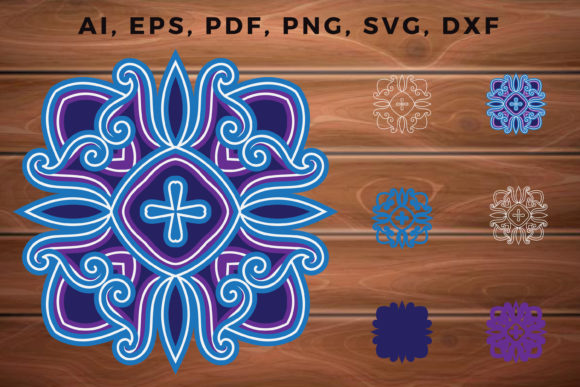
For commercial embroidery professionals and digital product sellers, the consistency of the output is paramount. The 3D MultiLayer Mandala Cut File SVG File offers a significant advantage here: scalability and adaptability. Because it is provided as an SVG within a ZIP folder, it integrates seamlessly into cutting machines for appliqué work or serves as a precise guide for machine embroidery digitizing adjustments.
The description notes that "Mandala is a very great niche for growing your sales," and I agree, but only if the quality holds up. This design supports that claim by offering a level of sophistication that builds customer trust. When a client receives a personalized gift or a piece of custom apparel with crisp, well-aligned layers, they associate that quality with your brand. It enhances brand consistency across different product lines, from holiday gifts to everyday wear.
However, a crucial reminder for all craft business owners: always check the licensing terms included in the download. The product description mentions immediate download and a ZIP folder, but it does not explicitly detail the commercial rights regarding resale of the digital file versus the physical item. Before listing this as a design asset or selling hundreds of embroidered units, ensure you are compliant with the creator's terms. This protects your small business from legal headaches down the road.
Final Verdict for the Practical Designer
The 3D MultiLayer Mandala Cut File SVG File is a robust tool for the modern maker. It bridges the gap between digital precision and handmade charm. Its strength lies in its ability to create visual interest through layering, making it ideal for holiday embroidery, wedding gifts, and boutique branding. However, its success depends entirely on the operator's knowledge of materials. Respect the fabric texture, choose the right stitch density, and never skip the test run.
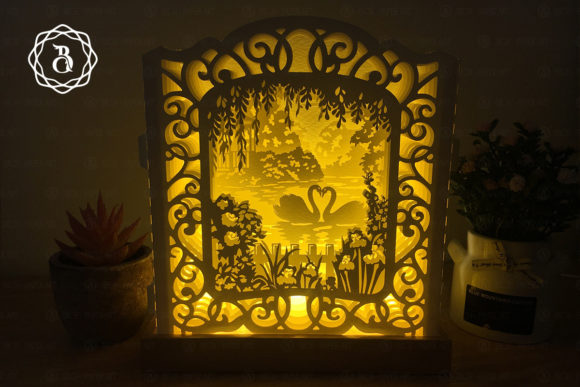
If you are looking to add depth to your portfolio or create a standout embroidered patch or home decor item, this file is a strong contender. It invites creativity while demanding technical respect. Used correctly, it transforms simple cloth into a conversation piece, proving that in the world of Shadow Boxes and 3D SVG applications, thoughtful layering is the key to unlocking true artistic potential.