Review: 3d Mandala Cut File for Layered Embroidery
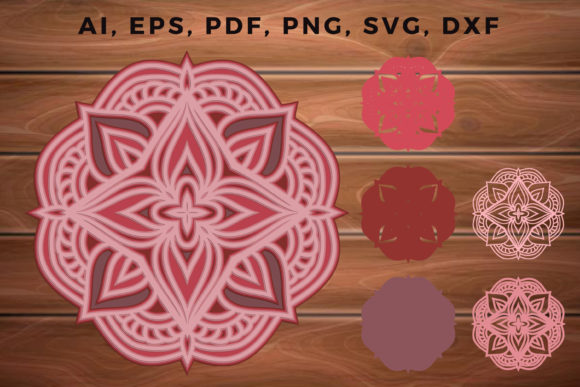
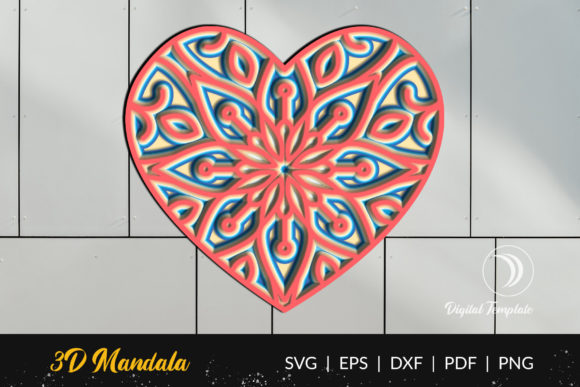
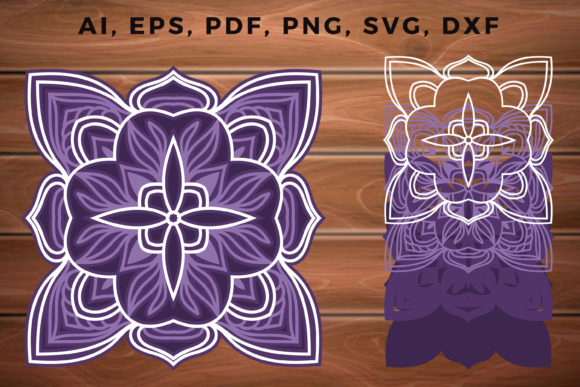
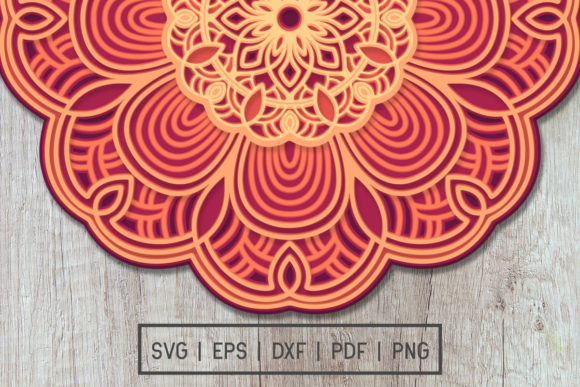
When I first opened the folder for the 3d Mandala Cut File, my immediate reaction wasn't just about the visual pattern, but about the potential depth it offers for a finished product. As a designer who spends hours tweaking digitized files and selecting fabrics, I look for assets that do more than just sit on the surface of a garment. This design, categorized under Shadow Boxes and available as a 3D SVG, immediately suggests a project that requires thoughtful layering. The mood is intricate and meditative, typical of mandala work, but the "3D" aspect implies a structural complexity that moves beyond standard flat embroidery.
First Impressions and Design Personality
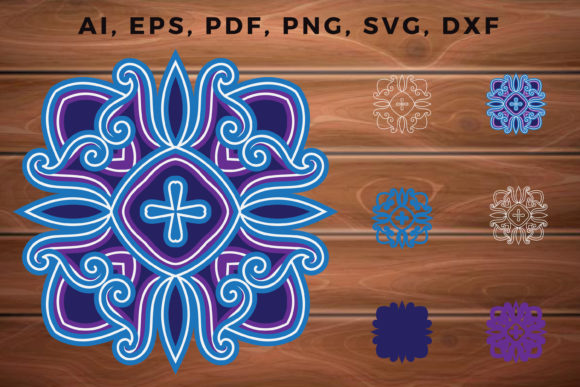
The geometry of this mandala feels balanced yet dynamic. Unlike some digital files that rely on overly dense fill stitches which can puckers fabric, this cut file approach invites a mixed-media technique. The lines are clean, suggesting that when translated into an embroidery project, the negative space will be just as important as the stitched areas. For a handmade product intended for sale, this visual breathing room is crucial; it prevents the item from looking heavy or stiff. The theme leans towards bohemian elegance, making it a natural fit for boutique branding where customers expect unique, high-value aesthetics rather than mass-produced uniformity.
Real-World Application: The Custom Tote Scenario
To truly evaluate the 3d Mandala Cut File, I imagined a specific real-life scenario: creating a limited run of custom canvas tote bags for a local artisan market. Canvas is a sturdy fabric, but it can be unforgiving if the stitch density is too high. Using this file as a template for an applique design or a layered fabric insert changes the game entirely. Instead of stitching thousands of satin stitches directly onto the bag, I would use the SVG to cut intricate layers of contrasting fabric.
In this context, the finished product gains significant tactile value. A customer picking up the bag would feel the raised textures of the mandala, enhancing the perception of quality. If I were an Etsy seller, this kind of detail justifies a higher price point. It transforms a simple tote bag design into a statement piece. The clarity of the cut lines ensures that even with multiple layers, the definition of the mandala remains sharp, avoiding the muddy look that sometimes happens with complex digitized patterns on textured fabrics.
Versatility Across Different Products
Beyond totes, this design holds promise for various custom apparel items. Imagine a sweatshirt embroidery project where the mandala is applied over a fleece backing. The warmth of the fleece combined with the geometric precision of the mandala creates a cozy yet sophisticated winter item. For baby embroidery, one must be cautious with texture, but if used on a bib or a nursery wall hanging rather than direct skin contact, the visual appeal is undeniable. It also works beautifully for holiday embroidery gifts, such as ornate pillow covers or table runners, where the intricate details can be appreciated up close.
For those running a craft business, the versatility of receiving formats like SVG, DXF, EPS, PNG, and PDF in a ZIP folder is a major plus. It means you aren't locked into just one machine or software. You can use the DXF for a cutting machine to prepare fabric layers and then use the PDF as a guide for hand-finishing or machine placement. This flexibility supports both commercial embroidery workflows and hobbyist experimentation.
Critical Considerations for Execution
However, working with a 3D SVG intended for shadow box styles or layered effects requires careful planning. There are specific scenarios where you need to proceed with caution. If you attempt this on a stretchy fabric like a thin t-shirt without proper stabilization, the weight of the layered materials could cause sagging over time. Similarly, on curved surfaces like caps, managing the bulk of multiple fabric layers can be challenging. The hoop size becomes a critical factor; if the mandala is large, you may need to re-hoop, which risks misalignment in such a precise geometric design.
Furthermore, thread colors and fabric contrast play a pivotal role. A mandala relies on symmetry and repetition. If the contrast between the base fabric and the top layers is too low, the intricate details will get lost. I recommend testing the design in black and white mockups first to ensure the shapes read clearly before committing to expensive threads or specialty fabrics. Also, consider the end use: if the personalized gift is something like a kitchen towel or an apron that will undergo frequent washing, the edges of your cut layers must be secured impeccably, perhaps with a tight satin stitch border or a high-quality fusible interfacing, to prevent fraying.
Designer Notes for Professional Results
Before integrating the 3d Mandala Cut File into your inventory of design assets, there are practical steps every professional should take. First, always test the design on scrap fabric that matches your final material. This allows you to check the stitch density if you are adding decorative stitching over the cut layers. Second, verify the licensing terms provided with the download. While the file formats suggest broad compatibility, confirming whether the license allows for unlimited commercial sales of the finished product is essential for protecting your small shop product line.
Pay attention to the small details. In complex mandalas, tiny corners can be difficult to weed or stitch around cleanly. Inspect these areas closely during your test run. If you are creating printable mockups for your online store, ensure your photography highlights the dimensionality of the piece; flat lighting can make a 3D project look two-dimensional, robbing it of its main selling point. Finally, consider your stabilizer choice. For a project with this much potential layering, a cut-away stabilizer is often safer than tear-away to support the structure long-term.
Final Verdict on Value and Appeal
Ultimately, the 3d Mandala Cut File is a strong contender for designers looking to elevate their portfolio. It bridges the gap between digital precision and handmade charm. When executed with attention to fabric choice and stabilization, it enhances brand consistency by offering a signature look that is hard to replicate with off-the-shelf designs. It builds customer trust because the effort involved in creating a layered, 3D effect is visible and tangible. Whether you are decorating apparel, creating home decor, or selling digital previews of what's possible, this file provides a solid foundation for creativity. Just remember that the magic lies not just in the file itself, but in the thoughtful application of materials and techniques that bring the shadow box concept to life.