Cornflower Paper Flower Templates: A Designer's Review
When I first opened the files for Cornflower Paper Flower Templates, my immediate reaction wasn't to reach for my digitizing software, but to pause and consider the source material. As an embroidery designer who spends most of my life translating flat vectors into thread, looking at a product explicitly labeled as Paper Flowers in a 3D SVG format requires a specific kind of translation in the mind. The description notes these are templates in SVG, Studio, and Scan formats, intended for paper crafting with an "Easy" difficulty rating. However, for those of us running small shops or fulfilling custom orders, the real question is always: how does this aesthetic translate when we swap cardstock for cotton twill or fleece?
Translating Paper Aesthetics to Thread
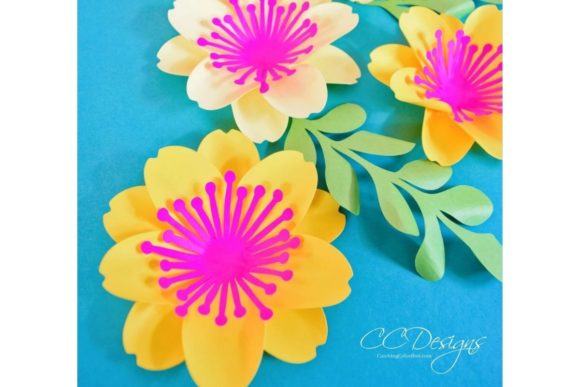
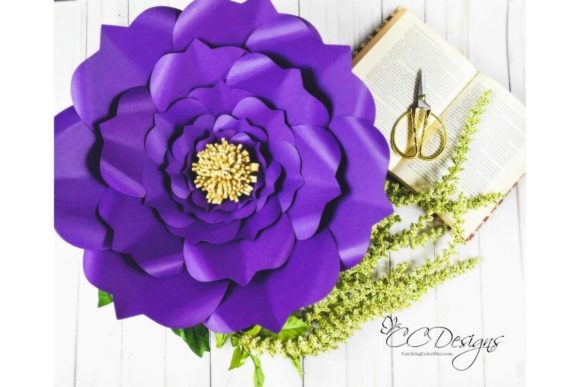
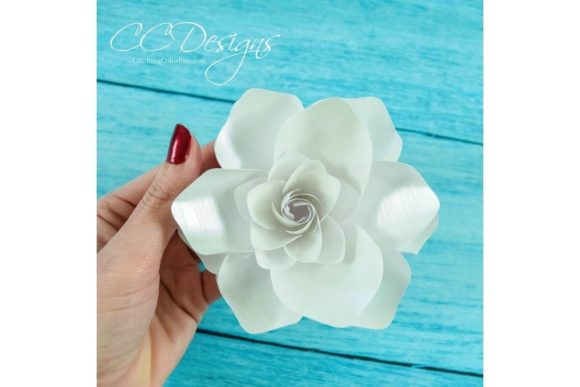
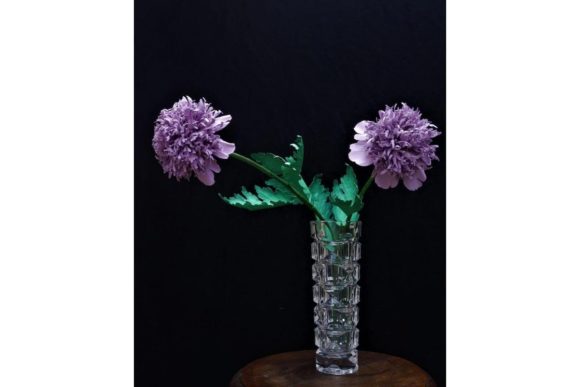
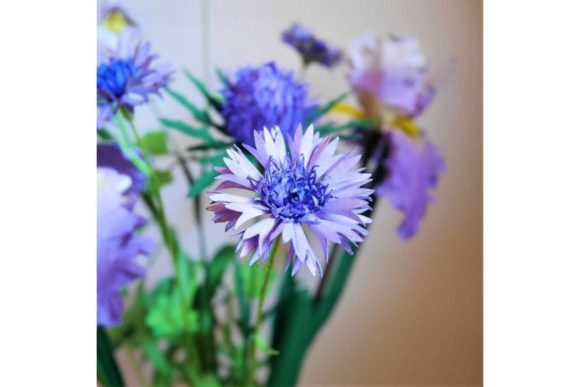
The visual personality of the cornflower is distinct. It carries a rustic, hand-cut charm that feels incredibly current in the boutique market. When reviewing these templates, the shapes suggest a layered construction typical of paper crafts—sharp angles, overlapping petals, and a central depth that usually relies on glue and dimensionality. In the world of machine embroidery design, replicating this "paper" look means making smart choices about stitch density and texture. You aren't just stitching a flower; you are stitching the illusion of cut paper.
For a handmade product line, this design offers a fantastic opportunity to create something that looks artisanal without requiring hours of complex digitizing from scratch. The clean lines found in the SVG data suggest that if adapted correctly, this could result in a crisp applique design or a flat work piece with simulated layers. The mood is cheerful yet grounded, perfect for spring collections, nursery decor, or cottage-core branding.
Real-World Application: The Custom Tote Bag Scenario
Let's walk through a realistic scenario where I might deploy this asset. Imagine a client runs a local florist shop and wants a run of twenty canvas tote bag designs for their staff and VIP customers. They want something that screams "fresh" and "organic." The Cornflower Paper Flower Templates fit this brief perfectly.
In this context, I wouldn't try to force a 3D physical effect using foam or excessive padding, which can be bulky on a tote. Instead, I would use the template shapes to create a multi-layer appliqué. By cutting different shades of blue fabric for the petals and stacking them according to the template's logic, I can mimic the depth of the original paper craft using thread. A tight satin stitch around the edges would define the "cut" look, while a light fill stitch in the center could add texture without overwhelming the fabric. The result is a finished product that feels high-end and bespoke, directly boosting the florist's brand consistency.
This approach also works beautifully for sweatshirt embroidery. On a heavier fleece, the sharp definition of the cornflower petals stands out well against the textured background. It transforms a basic garment into a personalized gift or a standout piece of custom apparel that a customer would happily wear to a weekend market or a casual outing.
Navigating Fabric Textures and Limitations
While the potential is high, a professional review must address the limitations. The original product is designed for paper, which is rigid and unforgiving in a different way than fabric. When moving to textiles, especially for baby embroidery or items like tea towels, the behavior of the material changes everything.
If you are working on stretchy fabrics like jersey knits for baby onesies, the sharp corners of the cornflower petals can be tricky. Without a high-quality stabilizer, these points may pucker or distort after washing. Similarly, on dark fabrics, the "paper" aesthetic relies heavily on contrast. If the original template assumes a white background, you must carefully select your thread colors to ensure the layers don't blend into the garment. A midnight blue petal on a black sweatshirt will vanish; you might need to introduce a subtle outline or a lighter underlay to maintain that crisp, cut-paper silhouette.
Curved surfaces present another challenge. While these templates are great for flat applications like pillow covers or aprons, applying them to a structured cap requires caution. The layered nature of the design could create bulk at the seams of the hat panels. In such cases, simplifying the design to a single layer or a simplified running stitch outline might be necessary to preserve the integrity of the cap's shape.
Commercial Viability and Brand Value
For Etsy sellers and creative entrepreneurs, the value of Cornflower Paper Flower Templates lies in its versatility as a design asset. In a saturated market, having a unique floral motif that doesn't look like a standard stock vector is gold. This design allows for the creation of cohesive collections. You can use the same motif on a wedding invitation suite (using the actual paper templates) and then offer matching embroidered favors or bridal party robes (using the adapted embroidery file).
This cross-platform consistency builds customer trust and recognition. When a buyer sees the same distinct cornflower on your packaging, your website, and your physical goods, it signals professionalism. It elevates a simple holiday embroidery project into a branded experience. Furthermore, because the difficulty is rated as "Easy," it lowers the barrier to entry for makers who want to expand their catalog without spending days perfecting a complex digitization.
Practical Notes for the Embroidery Studio
Before committing to a full production run, there are several critical steps any responsible designer should take. First and foremost, test the design on scrap fabric that matches your final product. What looks good on screen might behave differently on linen versus polyester.
- Check Thread Color Contrast: Ensure your chosen palette maintains the separation between layers, especially if mimicking the paper cut style.
- Review Stitch Density: Since the original is for paper, ensure the digital adaptation isn't too dense for delicate fabrics, which could cause stiffness.
- Confirm Hoop Size: Verify that the scaled design fits within your available hoop area, particularly for smaller items like patches or pocket details.
- Inspect Small Details: Look closely at the petal tips. Do they need a tack-down stitch to prevent fraying or lifting?
- Test in Black and White: View your mockup in grayscale to ensure the tonal values provide enough definition without relying solely on color.
- Compare Backgrounds: Always visualize the design on both light and dark backgrounds to gauge versatility.
Crucially, since the product description mentions formats like SVG, Studio, and Scan along with a PDF instruction doc containing a video tutorial, it is vital to understand the licensing terms. The description states these are templates for paper, so if you intend to sell the digital embroidery file itself, you must confirm you have the rights to redistribute modified versions. If you are selling the finished product (the embroidered item), ensure the license permits commercial use of the design motif. Never assume; always read the fine print in the included documentation.
Final Verdict
The Cornflower Paper Flower Templates offer a charming, versatile foundation for a variety of creative projects. While they originate in the realm of paper crafts, their clean geometry and layered structure make them excellent candidates for adaptation into commercial embroidery and small shop product lines. With careful attention to fabric choice, stabilizer selection, and stitch technique, this design can transition from a simple paper cutout to a stunning textile feature that enhances brand identity and delights customers. It is a reminder that great design often transcends its original medium, waiting for a skilled maker to bring it to life in a new form.