Money Wallet: A 3D SVG Shape for Craft Projects
When a client approaches me with a request for a tangible, interactive element for their upcoming boutique launch or seasonal market stall, my first instinct is to look beyond flat graphics. We live in an era where digital saturation is high, and physical touchpoints carry immense weight in brand perception. Recently, while scouting for a graphic design asset that could bridge the gap between digital marketing and physical product utility for a handmade leather goods brand, I stumbled upon the Money Wallet. This isn't just a static image; it is a functional SVG cutting template designed to be fabricated. As a designer who constantly evaluates assets for real-world viability, I needed to determine if this file held up under the scrutiny of a professional workflow or if it was merely a novelty.
The First Impression: Functional Minimalism
Upon opening the file, the immediate takeaway is its pragmatic geometry. The design does not rely on excessive ornamentation; instead, it focuses on clean lines and precise fold markers essential for a successful build. The mood it creates is one of organized utility. For a brand identity centered around financial literacy workshops, a "cash stuffing" challenge community, or a minimalist lifestyle blog, this asset fits perfectly. It speaks to organization, security, and tangible value. Unlike many decorative Shapes found in standard libraries that serve only as background filler, this 3D SVG demands interaction. It suggests a project where the end-user is invited to participate, not just observe. For a small business owner looking to create a lead magnet or a physical takeaway for an event, the potential here is significant.
Integrating into Real-World Client Projects
In the context of a real client project, versatility is king. I evaluated how the Money Wallet could perform across various deliverables. For packaging design, this asset shines as an insert. Imagine a high-end stationery brand including a pre-cut, branded wallet with every planner purchase. It elevates the unboxing experience from a simple transaction to a memorable event. In terms of social media graphics and Pinterest pins, the wallet serves as an excellent prop for product photography. Placing cash, gift cards, or loyalty points inside the finished object creates a compelling visual narrative for marketing visuals.
For those running an Etsy product line or engaging in print-on-demand services, the application shifts slightly. While the SVG itself is for cutting machines like Cricut or Silhouette, the visual representation of the wallet can be adapted into sticker design sheets or sublimation design templates for mugs and tote bags that feature a "financial goals" theme. The clean lines translate well into logo design concepts for fintech startups or budgeting apps, provided the designer simplifies the fold lines for scalability. However, its primary strength remains in the realm of the Cricut project and physical crafting, where it acts as a standalone digital product that customers can assemble themselves.
Strategic Placement and Visual Hierarchy
Understanding where to place this asset is crucial for maintaining visual hierarchy. The Money Wallet works best in large layout areas where its structural details can be appreciated. It is ideal for hero graphics on a landing page promoting a financial course, or as a central focal point in an editorial design spread about saving strategies. When used as a decorative accent in a themed collection of financial planning printables, it adds a layer of depth that flat icons cannot achieve.
However, caution is required. This is not an asset for crowded layouts. Because it relies on score lines and cut paths to function, shrinking it down for a favicon or a complex, low-contrast footer would render the details invisible and the function useless. It should be avoided in minimalist corporate branding where the aesthetic requires absolute flatness, or in projects requiring very clean visual hierarchy where a 3D object might distract from the primary call to action. On complex backgrounds, the thin score lines may get lost, so it performs best on solid, high-contrast colors or clean white space.
Technical Performance and Designer Notes
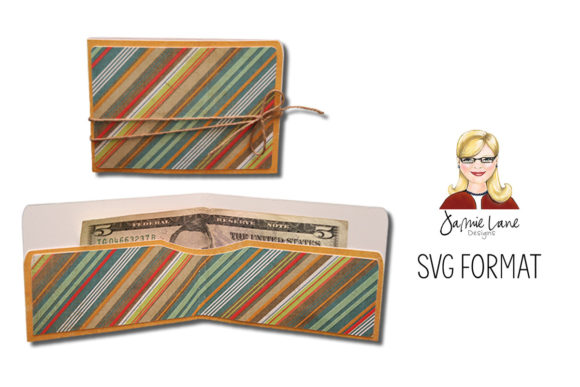
From a technical standpoint, the file structure is robust. The description notes that the wallet is approximately 8 x 3 inches when open and 4 x 3 x 1/8 inches when closed, capable of storing several bills. This specific dimensioning is a green flag for professional use; it means the designer has already done the math on material thickness and fold ratios. The compatibility with 8x12 and 12x12 mats ensures it fits standard industry cutting machines without wasted material, a critical factor for commercial design efficiency.
Before deploying this in a client project, I recommend a rigorous testing phase. First, test the cut in black and white cardstock to ensure the score lines are distinct from the cut lines. Check the contrast on both light and dark materials, as some machines struggle with faint score lines on dark vinyl or leather. Preview the design at actual size (100%) to verify that the tab structures for assembly are not too fragile for your chosen material. If you are using this for a product mockup, ensure the lighting in your render highlights the depth of the folds to convey the 3D nature accurately.
Furthermore, compare the aesthetic of this wallet against your existing typography. If your brand uses a heavy serif font, the geometric simplicity of the wallet provides a nice balance. If you are using a handwritten script, the structured nature of the wallet grounds the design. Always inspect the vector editability; a true professional asset should allow you to adjust tab widths or add custom branding elements like a monogram before cutting. Finally, and most importantly, confirm the commercial license. Using a design bundle element without verifying rights can jeopardize a client relationship. Ensure the license covers physical goods for sale if you intend to sell the assembled wallets or include them in a paid workshop kit.
Final Verdict for Brand Builders
The Money Wallet is more than a simple shape; it is a tool for engagement. For small business branding, particularly in the handmade and coaching sectors, it offers a unique way to add value. It transforms a standard printable design into an interactive experience. While it requires careful consideration regarding scale and material, its ability to enhance brand consistency through tactile interaction makes it a valuable addition to any designer's toolkit. Whether used for a Canva template companion piece or a standalone clipart illustration in a larger campaign, it delivers a polished, professional result that resonates with audiences seeking tangible solutions in a digital world.