Clematis Crystal Fountain: A Designer's Review
As a designer who spends more time staring at stitch maps than most people spend watching television, I approach every new machine embroidery design with a mix of curiosity and skepticism. We've all been there: you download a file that looks stunning on the screen, only to find it turns into a bird's nest of thread once it hits the fabric. That is why I took a close look at the Clematis Crystal Fountain Paper Flowers Templates. While the product title suggests a focus on paper crafting, my interest lies in how these shapes and structures translate into the world of textile art. Can a template designed for 3D SVG paper flowers hold up as a robust embroidery project for custom apparel or boutique home decor? Let's dig into the practical reality of using this asset in a real-world shop environment.
First Impressions: Mood and Structural Integrity
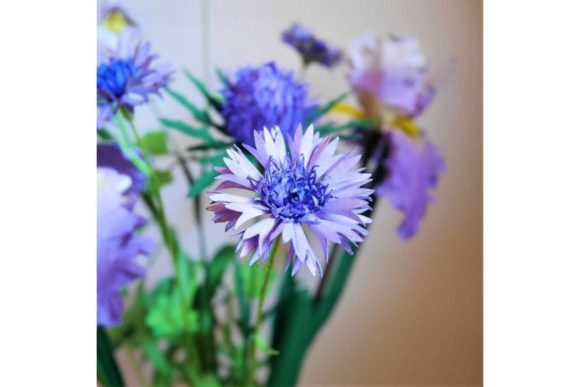
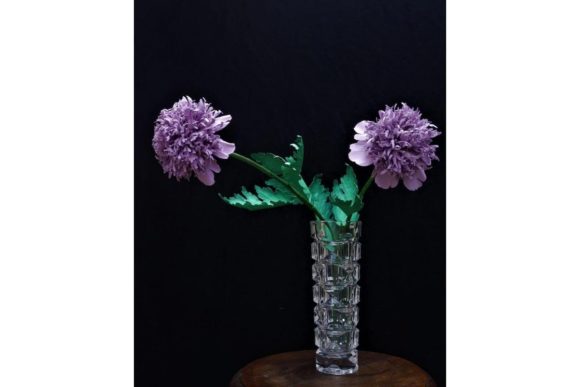
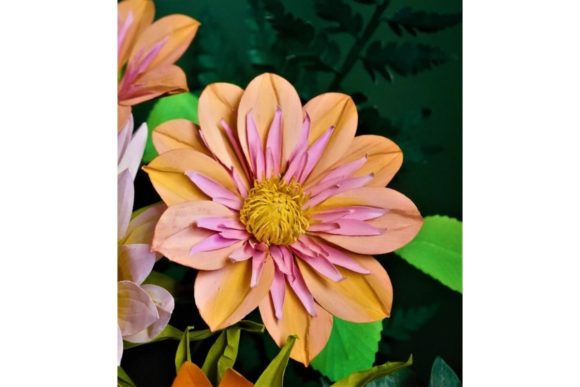
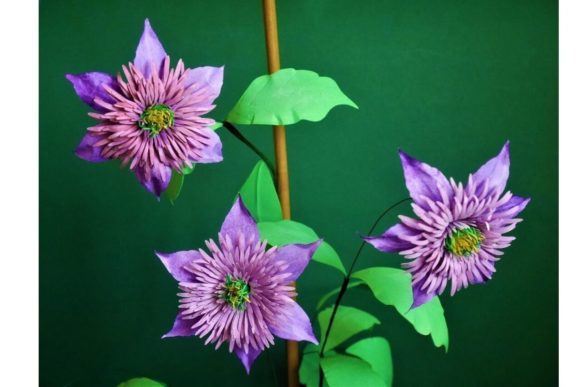
The moment you open the files for the Clematis Crystal Fountain, the first thing that strikes you is the elegance of the silhouette. Unlike some floral designs that rely on heavy, blocky fills to make an impact, this design leans into delicacy. The "Crystal Fountain" aspect implies a sense of movement and lightness, which is crucial when you are planning a personalized gift or a high-end boutique item. The layout feels organic, avoiding the rigid symmetry that often screams "digital file" rather than "handmade art."
For those of us working with custom apparel, the visual personality of this design is versatile. It doesn't scream for attention; instead, it whispers sophistication. This makes it an excellent candidate for projects where subtlety is key, such as a monogrammed linen napkin or a delicate addition to a baby's christening gown. The shape suggests a natural flow, which is vital when considering how the design will drape over curved surfaces like a cap or conform to the stretch of a sweatshirt.
Real-World Application: From Screen to Stitch
To truly test the viability of the Clematis Crystal Fountain Paper Flowers Templates, I envisioned a specific scenario: a custom order for a local boutique needing a series of embroidered tote bags for a spring market. The client wanted something floral but not cliché. Here, the design shines. When translated from its original Paper Flowers context to fabric, the lines suggest a beautiful interplay between satin stitch borders and lighter fill stitch areas.
If you are an Etsy seller looking to expand your catalog beyond standard motifs, this design offers a fresh aesthetic. Imagine this stitched onto a canvas tote bag design using variegated threads to mimic the "crystal" effect mentioned in the title. The result would be a finished product that feels artisanal and high-value. Similarly, for sweatshirt embroidery, the open nature of the design prevents the fabric from puckering excessively, a common issue with dense floral patterns on heavy cotton blends.
However, we must address the elephant in the room: the product description highlights SVG, Silhouette, Scan, and PDF formats with a video tutorial for paper crafting. As an embroidery professional, this requires a pivot in workflow. You cannot directly load a PDF into your embroidery machine. To use this as a digital embroidery file, you would need to trace these templates to create your own stitch map or use them as a precise guide for hand-appliqué. This extra step is actually a benefit for designers who want total control over stitch density and thread direction, ensuring the fabric texture remains intact.
Navigating Technical Challenges
No design is without its constraints, and practical judgment dictates we discuss where caution is needed. If you decide to adapt the Clematis Crystal Fountain for a small hoop size, pay close attention to the fine details. Tiny petals or intricate inner veins might get lost if scaled down too far, especially on textured fabrics like terry cloth or wool blends. In these cases, simplifying the internal details while maintaining the outer silhouette is often the smarter move for a clean embroidered patch or label.
Working with dark fabric presents another consideration. The "crystal" theme relies on light and contrast. If you are stitching this onto navy or black material, you will need to carefully select your thread colors. A metallic or high-sheen rayon thread could replicate the intended sparkle, whereas a matte cotton thread might flatten the design's dimensionality. Furthermore, because the original concept involves 3D structures, be wary of creating overly dense areas that could cause the fabric to stiffen uncomfortably, particularly on baby embroidery projects where softness is paramount.
Curved surfaces, such as caps or structured hats, require a stable foundation. If you are adapting this template for headwear, the use of a cut-away stabilizer is non-negotiable. The flowing lines of the Clematis need to remain crisp; any shifting during the stitch-out process will ruin the fluid aesthetic. Always test your adaptation on scrap fabric of the same weight and weave before committing to the final commercial embroidery run.
Enhancing Brand Value and Customer Trust
In the competitive landscape of handmade goods, the perceived value of your small shop product often hinges on the quality of the design execution. The Clematis Crystal Fountain offers a level of sophistication that can elevate brand consistency. When customers see a well-executed, unique floral motif, they associate that precision with professionalism. This design avoids the generic look of mass-produced clipart, offering a distinct visual signature for your brand.
For holiday embroidery or wedding gifts, the emotional resonance of the design matters. The clematis flower often symbolizes beauty and ingenuity. Using this template for a bridal shower gift or a Mother's Day apron adds a layer of meaning to the physical object. It transforms a simple kitchen towel into a cherished keepsake. The attention to detail required to adapt these templates shows the customer that care was invested in the creation, fostering trust and encouraging repeat business.
Practical Notes for the Serious Maker
Before you dive into production, here are a few essential steps to ensure success with the Clematis Crystal Fountain Paper Flowers Templates:
- Verify Licensing: Since this is primarily a paper craft template, double-check the license terms regarding commercial use for derived embroidery works. Ensure you have the right to sell finished items featuring this adapted design.
- Create a Mockup: Before stitching, create a black-and-white mockup to check the contrast and readability of the design elements. This helps identify areas that might merge together when stitched.
- Test Stabilizers: Different fabrics react differently. Test water-soluble stabilizers for delicate fabrics and cut-away options for stretchy knits to prevent distortion.
- Thread Selection: Experiment with thread weights. A lighter weight thread might capture the "fountain" feel better than a heavy standard polyester thread.
- Check Formats: Remember that the included files (SVG, PDF, etc.) are for cutting and tracing. You will need to digitize or manually trace these to create a valid embroidery file compatible with your machine.
In conclusion, while the Clematis Crystal Fountain Paper Flowers Templates originates in the realm of paper crafting, its structural beauty and elegant lines offer immense potential for the creative embroiderer willing to put in the translation work. It is not a plug-and-play solution for those seeking an instant applique design, but for the designer who values uniqueness and is ready to tailor the stitch path to their specific needs, it is a treasure trove of inspiration. Whether you are outfitting a boutique hotel or creating a one-of-a-kind heirloom, this design provides the sophisticated foundation needed to create something truly memorable.