Review: Explosion Box Lilies of the Valley for Spring Projects
As a designer who spends more time staring at stitch maps than most people care to admit, I approach every new machine embroidery design with a mix of curiosity and skepticism. We have all downloaded files that looked stunning on a screen but turned into a puckered mess on fabric. Recently, I took a close look at the Explosion Box Lilies of the Valley. While the product metadata categorizes this under Mother S Day and labels it as a 3D SVG, my job is to look past the marketing tags and determine if this asset holds up in a real-world embroidery project.
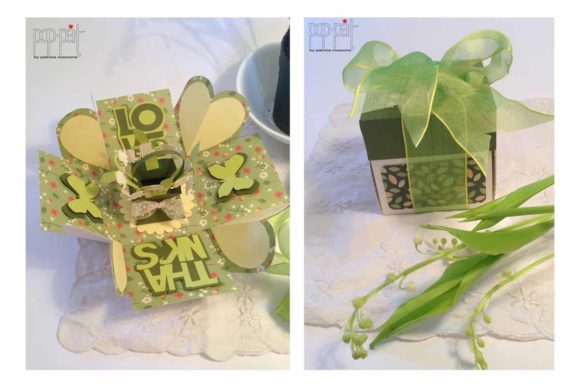
My first impression was one of delicate optimism. The Lilies of the Valley theme carries a specific mood; it is quiet, elegant, and deeply associated with spring renewal. Unlike bold, blocky logos, this design relies on fine lines and organic shapes. For an Etsy seller or a boutique owner, this visual personality is gold. It speaks to a customer base looking for sophistication rather than flashiness. However, elegance in design often translates to complexity in stitching. The question isn't just whether it looks pretty, but whether it survives the transition from digital vector to physical thread.
Visualizing the Finished Product on Real Fabric
To truly evaluate this design, I imagined a specific scenario: a custom order for a high-end baby shower gift. The client wants a personalized muslin swaddle blanket with a subtle floral accent in the corner. This is where Explosion Box Lilies of the Valley shines conceptually. The bell-shaped flowers and sweeping leaves create a natural frame that works beautifully on soft, neutral backgrounds.
If you are planning to use this for sweatshirt embroidery, the contrast between the heavy fleece texture and the delicate floral lines could be striking, provided the stitch density is managed correctly. For a tote bag design, this motif adds a touch of garden-fresh charm that elevates a standard canvas bag into a handmade product worthy of a higher price point. The layout feels organic, avoiding the rigid symmetry that sometimes plagues digital cut files repurposed for embroidery.
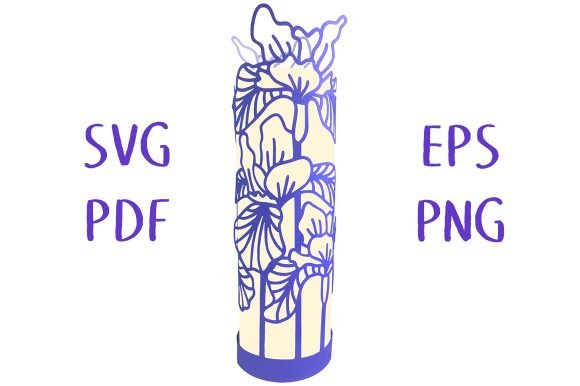
However, we must address the file format context. The description notes compatibility with Silhouette and Cricut via SVG, DXF, and PDF formats, specifically mentioning a 3D SVG structure. As an embroiderer, I need to pause here. SVGs are vector paths intended for cutting machines, not necessarily stitch files. If you are using this as a reference to create your own digitized version, or if you are layering these cut elements onto a garment as an appliqué, the potential is huge. If you expect this to plug directly into your embroidery machine as a pre-digitized embroidery file without conversion or verification, you must check the specific contents of the download folder carefully. True value lies in understanding how these vectors translate to satin stitch outlines or fill stitch bodies.
Navigating Technical Challenges and Fabric Choices
Let's get practical about where this design might struggle. Lilies of the Valley are defined by their slender stems and tiny bells. In the world of embroidery, tiny details are the first to suffer on difficult fabrics. If you attempt this on a textured terry cloth towel or a stretchy jersey knit for baby embroidery, you risk losing the definition of those small flower bells. The stitch density needs to be light enough to prevent stiffness but dense enough to hold the shape.
I would advise extreme caution when using this on dark fabrics. Light-colored floral designs often require a significant number of thread layers to achieve opacity on black or navy backgrounds. This can lead to a raised, bulky feel that might not suit the delicate nature of the flower. Furthermore, if you are applying this to curved surfaces like caps, the long, sweeping leaf elements could distort unless you have a very experienced hand with hooping and stabilization.
For those considering this for an embroidered patch, the boundary definition is critical. Ensure that the outer edges of the leaves are reinforced with a tight satin border to prevent fraying over time. A running stitch might be too weak for the perimeter of a patch that will see frequent handling. Always test the design on scrap fabric that matches your final material. This is non-negotiable. What looks crisp on a printable mockup can look muddy on actual linen or denim.
Commercial Viability and Brand Perception
From a business perspective, the Explosion Box Lilies of the Valley offers strong potential for brand consistency. If your shop specializes in botanical themes, wedding gifts, or nursery decor, this design reinforces that niche. Customers trust brands that present cohesive, high-quality visuals. A poorly executed floral design can cheapen a brand, but one that is stitched with clarity and precision builds customer trust.
Consider the "giftability" factor. Items featuring this design feel personal and thoughtful, perfect for holiday embroidery projects or wedding favors. The association with Mother's Day is natural, but do not limit yourself. This design works equally well for spring collections, bridal showers, or even as a subtle accent on home decor items like pillow covers. For a small shop product, the perceived value of such intricate botanical work allows for healthier profit margins compared to generic text-based designs.
Essential Designer Notes for Execution
Before you commit to production, keep these practical steps in mind to ensure professional results:
- Verify File Intent: Since the package includes SVG, DXF, and PDF files aimed at cutting machines (Cricut/Silhouette), confirm if you are using these for appliqué layers or if you need to digitize them separately for stitching. Do not assume they are ready-to-stitch embroidery files unless specified.
- Stabilizer Selection: For delicate florals, a cut-away stabilizer is often safer than tear-away, especially on garments that will be washed frequently. This prevents the tiny stem stitches from sinking into the fabric over time.
- Thread Contrast: Test your thread colors against the fabric in natural light. Subtle greens and whites can disappear on cream fabrics. You may need to adjust the shade slightly darker to ensure visibility.
- Hoop Size Check: Review the dimensions of the design relative to your available hoop sizes. Crowding a detailed floral design into a small hoop can cause registration issues.
- Licensing Clarity: Always read the notes contained in the SVG_Cricut folder or the main documentation. Confirm whether the license permits commercial use for finished goods or if there are restrictions on selling the digital assets themselves.
- Mockup Testing: Create black and white mockups to check the contrast and readability of the design before committing to colorful threads.
In conclusion, the Explosion Box Lilies of the Valley is a charming asset that, when handled with technical care, can elevate a wide range of custom apparel and home goods. It requires a respectful approach to fabric choice and stitch execution. For the creative entrepreneur willing to test and refine, this design offers a pathway to creating beautiful, marketable items that resonate with customers seeking timeless, natural beauty.