Reviewing W: A Bold 3D Illustration for Modern Embroidery Projects
As a designer who spends more time at the hoop than away from it, I am always skeptical of "3D" claims in digital design assets. Too often, they are flat vectors with a drop shadow that fall apart the moment you try to translate them into thread. However, after spending some time evaluating W, a new illustration set categorized under Shadow Boxes, I found myself reconsidering how we approach dimensional storytelling in our embroidery projects. This isn't just a letter; it is a structural concept that demands a specific kind of attention to detail if you want your finished product to look professional rather than amateurish.
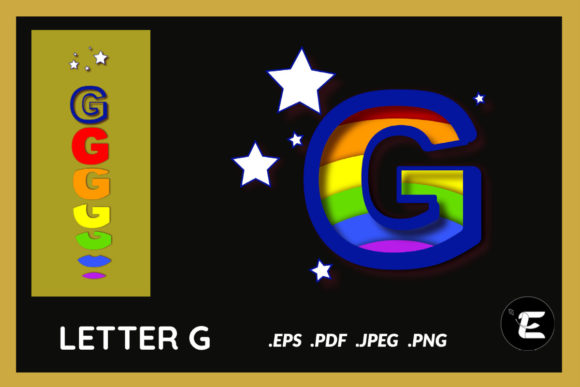
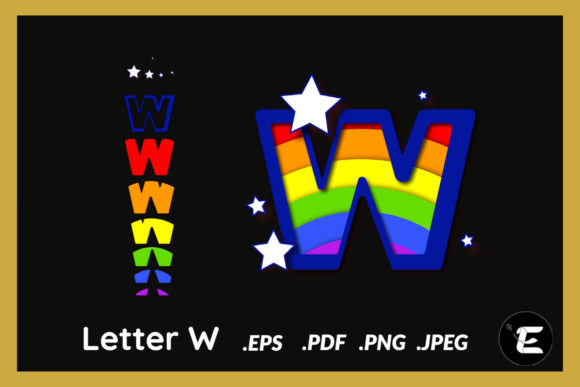
My first impression of W was one of architectural solidity. The mood it creates is modern and slightly industrial, relying on strong geometric lines rather than whimsical curves. When you open the compressed file, you aren't greeted by a single embroidery file ready to stitch immediately. Instead, you receive a suite of cut files in .EPS, .PDF, .PNG, and .JPEG formats. This is a crucial distinction. As an experienced reviewer, I see this not as a limitation, but as an invitation to engineer your own stitching strategy. The high-resolution nature of these assets means the visual personality of W is crisp, allowing you to plan your thread colors and stitch density with precision before committing a single needle to fabric.
Real-World Application: The Boutique Tote Bag Test
To truly understand the value of W, I simulated a real-life scenario that many Etsy sellers and craft business owners face daily: creating a line of branded tote bags for a local boutique. The goal was to create a handmade product that felt substantial and valuable, justifying a higher price point. I envisioned W not merely printed on canvas, but constructed through layers of fabric and thread to mimic the 3D effect promised in the product description.
In this context, W shines as a candidate for an applique design. Because the source files are vector-based (.EPS and .PDF), I could easily isolate the different planes of the letter to create a shadow box effect using fabric layers. Imagine a dark navy base layer, a mid-tone grey middle section, and a bright white top layer, all stitched down with a clean satin stitch border. This approach transforms the digital asset into a tactile small shop product that customers want to touch. The visual appeal here is undeniable; it moves beyond standard custom apparel decoration and enters the realm of textile art. For a personalized gift or a boutique item, this level of depth signals quality and effort, directly influencing customer trust and brand consistency.
Navigating Fabric Textures and Stitching Challenges
However, working with a design concept like W requires practical judgment. It is not a "drag-and-drop" solution for every situation. If you are planning to use this on stretchy fabrics like jersey knits for sweatshirt embroidery or baby embroidery, you must proceed with caution. The sharp angles and potential layering inherent in a 3D style design can cause puckering if the stabilizer isn't up to the task. I strongly advise testing the design on scrap fabric first. Check how the fill stitch behaves on the specific fabric texture you intend to use. Thin fabrics may struggle to support the weight of multiple layers, while textured fabrics like towels might obscure the fine details of the letter's geometry.
Furthermore, consider the hoop size constraints. While the digital file is scalable, your machine is not. If you are adapting W for smaller items like caps or embroidered patches, ensure that the intricate corners of the "W" shape do not become too dense. High stitch density in tight corners can lead to thread breaks or a stiff, cardboard-like feel in the finished product. For curved surfaces like hats, the rigid structure of this 3D illustration might resist the curve, so scaling down and simplifying the internal details might be necessary. Always inspect small details in your digitizing software before stitching.
Commercial Viability and Visual Impact
From a commercial standpoint, W offers significant versatility for commercial embroidery ventures. The clean lines make it an excellent candidate for printable mockups and digital product previews. Even before stitching, the high-resolution .PNG and .JPEG files allow you to create compelling marketing materials for your online store. This helps in gauging buyer engagement before you invest time in production. Whether used for holiday embroidery gifts, wedding favors, or nursery decor, the bold aesthetic of W holds its own against various background colors.
That said, contrast is key. When working with dark fabrics, ensure your thread colors provide enough pop to define the 3D illusion. A low-contrast palette might render the design muddy, losing the very dimensionality that makes it unique. Conversely, on light fabrics, a darker outline or shadow layer can enhance the depth. I recommend testing the design in black and white mockups first to verify that the form reads clearly without relying on color alone. This step is vital for maintaining professionalism in your design assets.
Final Verdict for Designers and Makers
Ultimately, W is a powerful tool in the hands of a thoughtful creator. It is not a magic button but a robust foundation for building high-value items. The inclusion of Shadow Boxes in its categorization hints at its potential for layered construction, making it ideal for those willing to put in the extra work to achieve a premium look. However, because the package provides cut files rather than pre-digitized stitch files, the responsibility lies with you to translate these vectors into a functional machine embroidery design.
Before selling any items featuring W, you must confirm the licensing terms provided in the download. Ensure that your intended use—whether for personal holiday gifts or mass-produced Etsy listings—is covered. Check the specific file compatibility with your workflow, as the .EPS and .PDF formats require vector editing software to prepare for embroidery digitizing. If used correctly, with proper stabilizers, thoughtful fabric selection, and careful attention to stitch types like running stitch for detailing or satin stitch for edges, W can elevate your portfolio. It bridges the gap between digital illustration and tangible craft, offering a fresh avenue for creative entrepreneurs to distinguish their work in a crowded market.